
For many people considering addiction treatment, one of the biggest concerns is cost. Even before choosing a rehab center or treatment plan, people often ask: How much will rehab cost if I have to pay out-of-pocket?
The answer depends on several factors, including the type of treatment, the length of stay, the location of the facility, and the level of medical care required. Rehab costs can range from a few hundred dollars for outpatient counseling to tens of thousands of dollars for luxury residential treatment.
This guide breaks down the real cost of addiction treatment, explains what influences pricing, and explores ways to make rehab more affordable if you are paying without insurance coverage.
What Is the Cost of Rehab if I Pay Out-of-Pocket? Why Rehab Costs Vary So Much
No two rehab programs are exactly alike. Treatment centers differ in staffing, amenities, therapy offerings, medical support, accommodations, and program intensity.
Some facilities focus on basic clinical care in shared environments, while others offer private suites, gourmet meals, holistic wellness programs, and luxury accommodations. Naturally, those differences affect pricing.
The total cost of rehab generally depends on:
- Type of treatment program
- Length of stay
- Medical supervision needs
- Facility location
- Staff credentials
- Specialized therapies
- Housing accommodations
- Medication requirements
- Dual diagnosis care
- Amenities and services
Someone attending a standard outpatient counseling program may spend only a few hundred dollars monthly, while someone entering a luxury residential rehab could spend more than the cost of a new car.
The Average Cost of Different Types of Rehab | What Is the Cost of Rehab if I Pay Out-of-Pocket?

How much does addiction treatment cost?
How much does drug rehab cost? That is a complicated questions. We will break down the many different components for you to help you understand the costs involved. Understanding the levels of care can help explain why prices differ so dramatically. While the numbers can feel overwhelming at first, understanding how rehab pricing works can help you make informed decisions and find treatment options that fit your budget. More importantly, it can help you recognize that recovery is often more financially attainable than many people assume.
Drug and Alcohol Detox Centers Costs
Drug and alcohol detox centers San Diego is often the first stage of addiction treatment. During detox, patients withdraw from drugs or alcohol under medical supervision.
Out-of-pocket detox costs typically range from:
- $250 to $800 per day for outpatient detox
- $1,000 to $2,500 per day for inpatient medical detox
The total cost depends on:
- Substance involved
- Withdrawal severity
- Length of detox
- Medication needs
- Medical monitoring requirements
Alcohol, opioids, and benzodiazepines often require more intensive supervision because withdrawal can be dangerous.
A medically supervised detox lasting five to seven days can cost anywhere from $5,000 to $15,000 or more without insurance.
What Is the Cost of Rehab if I Pay Out-of-Pocket? – Inpatient Drug Rehab Rehab Costs

Finding inpatient drug rehabs San Diego accepting Blue Shield is difficult. Insurance can help reduce the cost of drug rehab. Residential rehab is usually the most expensive form of addiction treatment because it includes housing, meals, therapy, medical care, and around-the-clock support.
Typical inpatient rehab costs include:
- $6,000 to $20,000 for a standard 30-day program
- $12,000 to $60,000+ for 60 to 90 days
- $30,000 to $100,000+ for luxury rehab facilities
High-end luxury treatment centers may offer:
- Private rooms
- Oceanfront or resort locations
- Spa treatments
- Fitness programs
- Equine therapy
- Gourmet dining
- Executive accommodations
While luxury rehabs can be extremely expensive, many standard residential programs provide excellent evidence-based care at significantly lower prices.
Outpatient Addiction Treatment Centers Rehab Costs

Finding outpatient drug and alcohol rehabs that accept Cigna insurance is a difficult task. Outpatient treatment allows patients to live at home while attending therapy and counseling sessions throughout the week.
Outpatient care is usually much more affordable than residential treatment.
Typical costs may include:
- $100 to $500 per therapy session
- $1,000 to $10,000 total for structured outpatient programs
- $3,000 to $15,000 for intensive outpatient programs (IOP)
Outpatient treatment works best for individuals who:
- Have stable housing
- Have mild to moderate addiction severity
- Have strong family support
- Do not require medical detox
- Can manage daily responsibilities safely
Because patients are not paying for room and board, outpatient treatment is generally the least expensive option.
Partial Hospitalization Program (PHP) Costs
A Partial Hospitalization Program (PHP) provides structured treatment during the day while allowing patients to return home or to sober housing at night.
PHP programs often cost:
- $350 to $450 per day
- $7,000 to $20,000 total depending on duration
PHPs are often recommended for individuals who need intensive care but do not require 24-hour residential supervision.
Medication-Assisted Treatment Costs
The best alcohol rehabs in San Diego know Medication-assisted treatment (MAT) combines counseling with medications used to treat opioid or alcohol addiction.
Common MAT medications include:
- Methadone
- Buprenorphine
- Naltrexone
Out-of-pocket MAT costs may include:
- Initial evaluations
- Physician visits
- Counseling
- Prescription medications
- Drug screenings
Monthly costs can range from:
- $250 to $1,500+ per month
Costs depend heavily on the medication used and how often medical visits are required.
Sober Living Costs

Many people transition into sober living homes after rehab.
Sober living typically costs:
- $500 to $5,000 per month
Pricing depends on:
- Location
- Housing quality
- Shared versus private rooms
- Amenities
- Program structure
Sober living is usually less expensive than inpatient rehab but still provides accountability and peer support during early recovery.
Factors That Influence Drug and alcohol Rehab Pricing
There are many different factors that will determine what you pay. So lets continue to answer, How much is drug rehab?
Length of Treatment
Longer treatment programs naturally cost more overall.
However, longer treatment often improves outcomes. Many experts recommend at least 90 days of treatment and recovery support for lasting sobriety.
Programs commonly include:
- 30-day treatment
- 60-day treatment
- 90-day treatment
- Extended care programs
While a 90-day stay may seem expensive upfront, it may reduce the long-term financial costs of relapse, legal issues, health complications, and lost productivity.
Location of the Facility | What Is the Cost of Rehab if I Pay Out-of-Pocket?
Rehab centers in major metropolitan areas or desirable destinations usually charge higher rates.
Facilities located near beaches, mountains, or luxury vacation destinations often market themselves as premium recovery experiences.
By contrast, treatment centers in smaller cities or rural areas may offer quality care at lower costs.
Medical and Psychiatric Needs
People with complex medical conditions or co-occurring mental health disorders often require more specialized care.
Dual diagnosis treatment may involve:
- Psychiatric evaluations
- Medication management
- Trauma therapy
- Additional clinical staff
- Specialized programming
These services can increase the overall cost of care.
Staff Credentials
Programs staffed by highly experienced physicians, psychiatrists, psychologists, and licensed clinicians may charge higher fees due to their expertise.
Specialized addiction medicine professionals and low staff-to-patient ratios can improve treatment quality but also increase operating costs.
Amenities and Lifestyle Services | What Is the Cost of Rehab if I Pay Out-of-Pocket?
Luxury treatment centers frequently include:
- Massage therapy
- Yoga classes
- Acupuncture
- Personal trainers
- Chef-prepared meals
- Private suites
- Recreational outings
While these services may improve comfort and wellness, they are not always necessary for effective recovery.
Is Paying Drug and Alcohol Addiction Treatment Centers Out-of-Pocket Worth It?
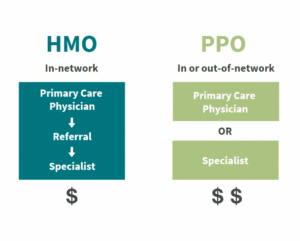
Some can learn how to use PPO insurance for rehab. This is lower out of pocket expenses. For many families, paying privately for rehab feels intimidating. But addiction itself is often far more expensive over time.
Substance use disorders can lead to:
- Job loss
- Legal expenses
- Medical bills
- Relationship damage
- Financial instability
- Accidents and injuries
- Lost income
- Emergency room visits
The long-term financial impact of untreated addiction often exceeds the cost of treatment itself.
Recovery can restore:
- Employment stability
- Physical health
- Family relationships
- Mental wellness
- Productivity
- Financial independence
For many people, rehab becomes an investment in rebuilding life rather than simply another expense.
Ways to Reduce Out-of-Pocket Rehab Costs
Even without insurance, there are ways to make addiction treatment more affordable.
Payment Plans
Many rehab centers offer financing options or monthly payment plans.
These plans may allow patients to:
- Spread costs over time
- Reduce upfront payments
- Access immediate treatment
Some facilities partner with healthcare financing companies specifically designed for medical expenses.
Sliding Scale Programs
Certain treatment centers adjust pricing based on income.
Sliding scale fees may significantly lower costs for:
- Low-income individuals
- Students
- Unemployed patients
- Families facing financial hardship
What Is the Cost of Rehab if I Pay Out-of-Pocket? – State-Funded Rehab Programs
Publicly funded rehab programs may provide low-cost or free treatment for qualifying individuals.
Availability varies by state, but services may include:
- Detox
- Outpatient counseling
- Residential treatment
- MAT services
These programs sometimes have waiting lists due to high demand.
Scholarships and Grants
Some nonprofit organizations and treatment facilities offer:
- Rehab scholarships
- Financial aid
- Recovery grants
Scholarships may cover partial or full treatment costs depending on eligibility.
Community Support Programs
Peer support groups such as:
- Alcoholics Anonymous (AA)
- Narcotics Anonymous (NA)
- SMART Recovery
are usually free and can provide important long-term support alongside professional treatment.
Questions to Ask Before Paying for Rehab | What Is the Cost of Rehab if I Pay Out-of-Pocket?

HGR drug and alcohol addiction treatment centers San Diego wanted to bring up an important point. You should always be armed with questions. The right questions can lower your costs. Before committing to treatment, ask the facility detailed financial questions.
Important questions include:
- What is included in the quoted price?
- Are medications extra?
- Are psychiatric services billed separately?
- What happens if treatment needs to be extended?
- Are there additional fees?
- Is detox included?
- Are payment plans available?
- What refund policies exist?
Transparency matters. Reputable facilities should clearly explain all expected costs.
Cheaper Drug Rehabs Are Not Always Better — and Expensive Rehab Is Not Always Superior
One common misconception is that higher-priced rehab automatically means better treatment.
In reality:
- Some affordable programs provide excellent clinical care
- Some luxury facilities focus heavily on amenities rather than evidence-based treatment
When evaluating rehab options, focus on:
- Accreditation
- Licensed clinicians
- Evidence-based therapies
- Individualized treatment plans
- Dual diagnosis support
- Aftercare planning
- Success-oriented programming
Comfort matters, but clinical quality matters more.
The Hidden Costs of Avoiding Drug and Alcohol Addiction Treatment
Many people delay rehab because of financial concerns. Unfortunately, untreated addiction often becomes progressively more expensive.
The hidden costs of addiction may include:
- DUI arrests
- Hospitalizations
- Overdose emergencies
- Employment instability
- Divorce
- Child custody issues
- Criminal charges
- Chronic health problems
Delaying treatment can increase both financial and emotional consequences over time.
Early intervention is often less expensive — and far safer — than waiting for addiction to worsen.
Final Thoughts on What Is the Cost of Rehab if I Pay Out-of-Pocket?
So, what is the cost of rehab if you pay out-of-pocket?
The answer depends on the type of care, the facility, and the individual’s treatment needs. Costs can range from a few hundred dollars for outpatient counseling to tens of thousands for residential or luxury rehab.
Typical out-of-pocket costs may include:
- Detox: $5,000–$15,000+
- Inpatient rehab: $6,000–$60,000+
- Outpatient treatment: $1,000–$15,000
- Sober living: $500–$5,000 monthly
Although rehab can be expensive, many facilities offer financing options, sliding scale fees, and payment assistance to improve accessibility.
Most importantly, addiction treatment should be viewed not only as a financial decision, but as an investment in health, stability, relationships, and long-term quality of life.
For many people, the cost of recovery ultimately becomes far less than the cost of continuing addiction.
If you or a loved need information on drug and alcohol addiction treatment centers, call our California drug rehabs San Diego now 760-697-0497. We can answer any question and guide you to the best care for your situation. We accept most health insurances and can get you in today.