There is a moment that nearly everyone leaving residential treatment describes in some version of the same way. You’ve packed your bags. You’ve said your goodbyes. You’ve hugged the people who shared this chapter of your life. And then the door closes behind you, and suddenly the world — loud, unpredictable, and full of everything you spent weeks being protected from — is right in front of you again.
For some people, this moment brings a rush of excitement and hope. For many others, it brings something closer to fear. The safety of the residential environment — the structure, the routines, the staff, the community of peers who understood exactly what you were going through — is gone. And the real work of living sober in an unsober world begins.
If that sounds daunting, you are not alone. Feeling overwhelmed when leaving residential treatment is one of the most common experiences in early recovery, and it doesn’t mean you aren’t ready or that something is wrong. It means you’re human. What matters most is understanding why that feeling happens, what to do with it, and how to build a life on the outside that supports everything you worked so hard to build on the inside.
Why Leaving Treatment Feels So Hard | Drug Rehabs San Diego
Our drug rehabs San Diego teach wanted to talk about why leaving treatment is hard. Residential treatment is, by design, a protected environment. Every part of the day is structured. Meals are provided. Therapy is scheduled. The people around you share your goal of sobriety and your commitment to getting better. There are no unexpected phone calls from difficult people, no financial stress to navigate, no triggers lurking around familiar corners. In many ways, it is the safest environment most people in early recovery will ever experience.
And then it ends.
The outside world does not come with a schedule. It does not come with a counselor down the hall or a peer group that meets three times a day. It comes with old friendships that may not support sobriety, family dynamics that haven’t fully healed, financial pressures that didn’t go away while you were in treatment, and an endless stream of situations that nobody taught you how to handle sober — because before, you handled all of them with substances.
The clinical term for the anxiety and disorientation that can follow discharge from residential treatment is “post-treatment adjustment.” But most people just call it what it is: scary. Recognizing that this fear is a normal and predictable part of the recovery process — not a sign of weakness or failure — is the first step in managing it.
The First 90 Days: Why They Matter Most | Drug Rehbs San Diego
Lilac Recovery Center drug rehabs San Diego talks about the first 90-days. The period immediately following residential treatment — particularly the first 90 days — is widely recognized as the most vulnerable window in early recovery. The brain is still healing. Coping skills that were practiced in a controlled environment are being tested in real-world conditions for the first time. And the emotional weight of rebuilding a life — relationships, finances, career, identity — can feel enormous all at once.
This is not the time to white-knuckle it alone. It is the time to lean hardest into every support structure available. The research is clear: people who engage in continuing care after residential treatment — whether that’s step-down programming, therapy, peer support, or sober living — have significantly better long-term outcomes than those who return directly to their previous lives without a structured plan. The transition period is not a test of willpower. It is a test of planning.
Step-Down Care: Keeping Structure in Place | Drug Rehabs Riverside California
Our sister drug and alcohol addiction treatment center drug rehabs Riverside California Talks About Step-down. One of the most effective ways to bridge the gap between the safety of residential treatment and the demands of everyday life is through step-down care — a continuation of structured treatment at a progressively lower intensity. Rather than going from 24/7 care to nothing, step-down programming eases the transition by maintaining a clinical foundation while gradually reintroducing the independence and responsibilities of daily life.
- Partial Hospitalization Programs (PHP): The most intensive step-down option, PHP provides five to six hours of structured clinical programming five days per week. It gives you the benefit of daily therapeutic support while allowing you to live at home or in a sober living environment. For many people leaving residential treatment, PHP offers a comfortable middle ground — enough structure to feel held, enough independence to start rebuilding.
- Intensive Outpatient Programs (IOP): IOP typically involves nine to fifteen hours of treatment per week spread across three to five days. It’s a good fit for people who have completed PHP or whose clinical needs allow for a less intensive level of support while they continue to integrate back into work, family, or school.
- Ongoing outpatient therapy: Continuing to meet regularly with an individual therapist who specializes in addiction and co-occurring mental health conditions is one of the most impactful things you can do in the months and years following residential treatment. A good therapist helps you process the underlying issues that contributed to addiction, develop strategies for managing triggers and stress, and navigate the emotional complexity of rebuilding your life.
Sober Living: When Home Isn’t a Safe Place to Return To
For some people, the home they left before entering residential treatment is not a safe or supportive environment to return to. Maybe the people there still use substances. Maybe the neighborhood is full of old haunts and old connections. Maybe the stress of that environment was a major contributing factor to the addiction itself. Going back to an unsafe home environment is one of the most significant predictors of relapse in early recovery.
Sober living homes offer an alternative: a structured, substance-free living environment staffed and populated by others who are committed to sobriety. Residents are typically required to maintain sobriety, submit to random drug testing, attend house meetings, participate in ongoing treatment or support groups, and contribute to household responsibilities. What sober living provides is something that can’t be overstated in early recovery — a community of people who understand exactly what you’re going through, because they’re going through it too. Studies consistently show that people who transition from residential treatment to sober living environments have markedly better long-term sobriety rates than those who don’t.
“People, Places, and Things”: Navigating Triggers in the Real World | Outpatient Alcohol Detox San Diego

Our newest substance abuse rehabilitation center outpatient alcohol detox San Diego talks about expected changes. One of the most repeated phrases in recovery is “people, places, and things” — a shorthand reminder that relapse rarely comes out of nowhere. It is almost always preceded by exposure to the people, environments, and situations associated with past substance use. In residential treatment, these triggers were largely absent. On the outside, they can feel like they’re everywhere.
This is why relapse prevention planning — ideally developed before you leave residential treatment — is so important. A solid relapse prevention plan identifies your personal high-risk situations, the early warning signs that you’re moving toward relapse, and the specific actions you will take when those warning signs appear. It’s not a sign of pessimism to plan for hard moments. It’s one of the most optimistic things you can do, because it means you’re committed to your recovery even when things get difficult.
It is also worth acknowledging that some relationships cannot survive the recovery process unchanged. Friends who actively use substances, relationships that were built around addiction, or family dynamics that enabled destructive patterns may need to be restructured or, in some cases, ended entirely. This is one of the hardest parts of early recovery for many people — the grief of leaving behind a social world, even one that was hurting you. Therapy and peer support can help you navigate these losses without turning to substances to cope with them.
You Don’t Have to Do This Alone: Peer Support and Community

Our drug and alcohol addiction treatment centers in San Diego says you don’t have to do this alone. One of the most disorienting things about leaving residential treatment is losing the built-in community of the program. The people you ate meals with, went to group with, and shared your most vulnerable moments with — those connections don’t automatically continue on the outside. Building a new recovery community is essential, and it takes intentional effort.
Twelve-step programs like Alcoholics Anonymous and Narcotics Anonymous offer meetings in virtually every community, often multiple times a day. They provide not just a meeting but a sponsor relationship, a network of sober peers, and a framework for living that many people find invaluable in early recovery. For those who prefer a secular or science-based approach, SMART Recovery offers an evidence-based alternative with in-person and online meetings available worldwide.
The common thread across all peer support options is this: being around other people who are living sober — who have navigated the same fears and faced the same temptations — normalizes the struggle and provides living proof that a meaningful life in recovery is possible. That kind of hope, modeled by real people rather than promised in a pamphlet, is one of the most powerful forces in sustaining long-term recovery.
For Families: Supporting Without Enabling
The transition out of residential treatment is significant not just for the person in recovery, but for everyone who loves them. Families often feel a complicated mix of relief, hope, and anxiety when a loved one completes treatment. They want desperately to help, but may not know how to support recovery without inadvertently enabling old patterns. Family therapy, available through most continuing care providers, can help families establish healthy communication and boundaries during this critical transition period. Resources like Al-Anon and Nar-Anon exist specifically for family members and loved ones, offering meetings, literature, and community to help them navigate their own healing alongside the person in recovery.
Structure, Support, and Self-Compassion | Drug Rehabs Accepting United Healthcare Insurance Can Help
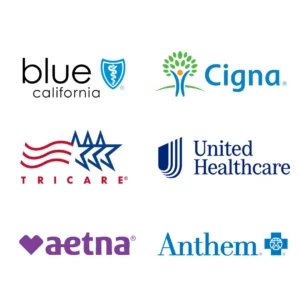
Our drug rehabs San Diego accepting United Healthcare insurance can help. In fact we accept many insurances We know leaving residential treatment and facing the outside world is hard. There is no version of this that isn’t at least a little bit scary, and pretending otherwise does a disservice to the courage it takes to step back into real life as a person in recovery. The overwhelm is real. The uncertainty is real. And so is the possibility of a life that is fuller, more honest, and more connected than anything that came before.
What makes the difference is not perfection — it is structure, support, and self-compassion. A step-down care plan that maintains clinical support while gradually restoring independence. A living environment that is safe and substance-free. A community of peers who understand the road. A therapist who helps you process what the treatment program surfaced. And the willingness to ask for help the moment things get hard, rather than waiting until they become a crisis.
Recovery doesn’t end when treatment does. It grows, deepens, and becomes something you build one day at a time — and with the right support around you, those days add up to something extraordinary.